If Yeshua died and rose again at Pesach, why does the Church mark it at another time? How the first communities celebrated, the decision of the Council of Nicaea and the meaning…
The Passover Seder according to the Gospel of Matthew and the letters of Shaul, and a Messianic Passover Haggadah for the Seder leader — fifteen steps from the first kiddush to…
What happened at Shavuot on Mount Sinai and on Mount Zion, why “the Torah will go forth from Zion”, why God chose Israel and how to prepare for the festival as a prophetic…
Tefillin are not required for salvation. They are neither a sin nor an abolished rite. For a Messianic Jew, laying tefillin is a legitimate and blessed practice; it is not…
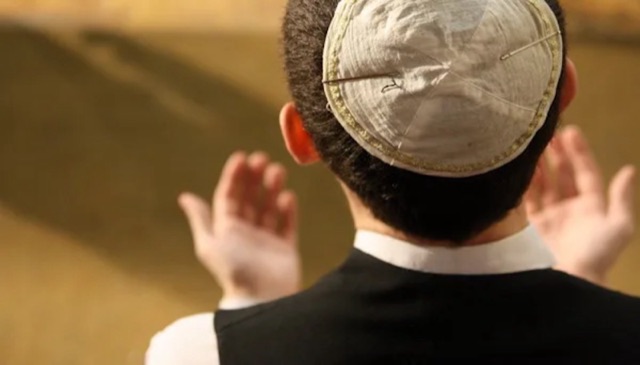
The kippah is not a separate commandment of the written Torah but a Jewish custom (minhag) with differing degrees of normative force in different traditions. 1 Corinthians 11:4…
The Torah commands tzitzit on a four-cornered garment (Bemidbar 15:37–41; Devarim 22:12); the large prayer tallit is a tradition that grew up around this commandment. The tallit…
A theological and halakhic study of Yeshua's teaching in the light of the Torah and the Prophets: Yeshua does not abolish the Torah; the Shema and the yoke of Malkhut Shamayim as…
A historical and theological study of the evidence from the Tanakh, Ezra and Nehemiah, Josephus, the Brit Hadashah, the Mishnah and the Talmud on how the Law was handed down; when…
A study of messianic expectation: its basis in the Tanakh (the covenant with David, “the Branch”, Daniel 7), the historical setting, the Mashiach as heavenly Kohen and King, the…
Tzitzit are a direct commandment of the written Torah addressed to the children of Israel (Bemidbar 15:37–41; Devarim 22:12). The meaning of the commandment: memory, obedience…
A whisper of love, the voice of conscience and the megaphone of suffering: how God speaks to people, the justice and mercy of God's love, and reconciliation with God through…