You shall not murder
Yeshua does not abolish the commandment but turns attention to its root: malice, contempt, demeaning speech. Anger is the seed of violence; insult destroys the image of God in…
1 min read Read more: You shall not murder →
Settings, bookmarks and the cart are stored only in this browser on this device.
All articles, studies and weekly Torah portion commentaries in one archive. Search by keyword, choose a topic or sort by date.
Materials: 13 · Page 1 of 2
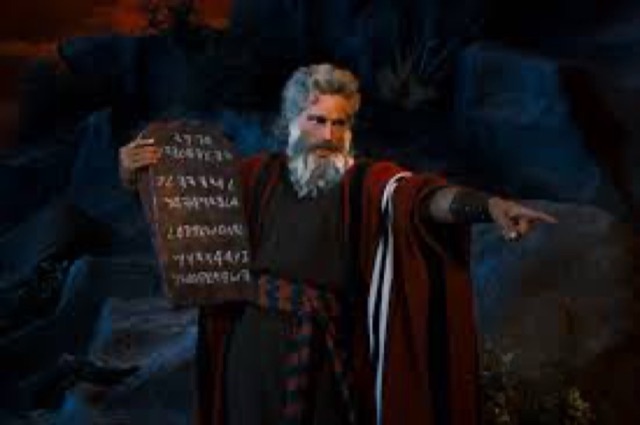
Yeshua does not abolish the commandment but turns attention to its root: malice, contempt, demeaning speech. Anger is the seed of violence; insult destroys the image of God in…
1 min read Read more: You shall not murder →
Yeshua reveals the inner stage of sin — the heart's consent to lust. Sin begins not with physiology but with the consent of the will. The images "tear out your eye" and "cut off…
1 min read Read more: You shall not commit adultery →
The Torah permits divorce by giving a bill of divorce — a get (Devarim 24:1). Yeshua brings the question back to the Creator's original intent: the marriage covenant must not…
4 min read Read more: Divorce →
The Torah forbids false oaths. Yeshua goes further: let speech be so truthful that an oath becomes unnecessary. Dividing speech into "sworn" and "unsworn" creates a double…
1 min read Read more: Oaths →
"An eye for an eye" is a rule for judges that limits punishment to the measure of the damage; rabbinic tradition understands it as monetary compensation. Yeshua does not abolish…
1 min read Read more: "An eye for an eye" →
The Torah commands: "Love your neighbour". The formula "hate your enemy" is not a quotation from the Torah but reflects a simplified understanding. Imitating God, who gives sun…
1 min read Read more: Love for enemies →
Tefillin are not required for salvation. They are neither a sin nor an abolished rite. For a Messianic Jew, laying tefillin is a legitimate and blessed practice; it is not…
5 min read Read more: Tefillin →
The Feast of Dedication (John 10:22): the history in the Books of the Maccabees, Solomon's Portico and the prophetic meaning of Hanukkah.
4 min read Read more: Hanukkah in the New Testament →
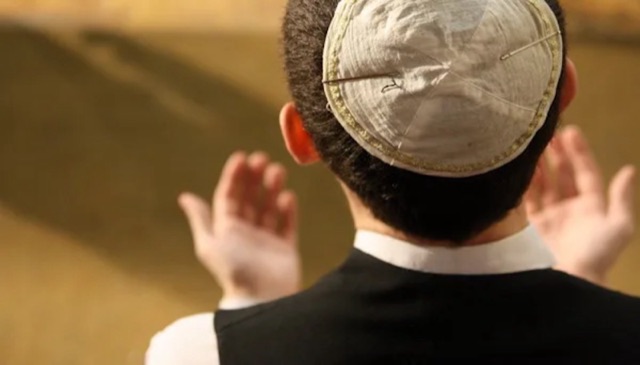
The kippah is not a separate commandment of the written Torah but a Jewish custom (minhag) with differing degrees of normative force in different traditions. 1 Corinthians 11:4…
5 min read Read more: Kippah →
The Torah commands tzitzit on a four-cornered garment (Bemidbar 15:37–41; Devarim 22:12); the large prayer tallit is a tradition that grew up around this commandment. The tallit…
6 min read Read more: Tallit →
A theological and halakhic study of Yeshua's teaching in the light of the Torah and the Prophets: Yeshua does not abolish the Torah; the Shema and the yoke of Malkhut Shamayim as…
23 min read Read more: The Halakha of the Kingdom of Heaven →
A study of messianic expectation: its basis in the Tanakh (the covenant with David, “the Branch”, Daniel 7), the historical setting, the Mashiach as heavenly Kohen and King, the…
21 min read Read more: The Mashiach (Messiah) in Second Temple Judaism →