
Messianic Judaism
What Messianic Judaism is, what we believe and how it differs from Rabbinic Judaism

Jewish congregations of Messianic Judaism
Messianic Judaism begins with the thousands of years of the Jewish people's history, bound up with the Torah and faith in the One God.
Before we speak about Messianic Judaism, let us turn to the definition of the term "Judaism" itself.
Judaism is a religious, national and ethical worldview that has shaped the beliefs and way of life of the Jewish people for thousands of years.
Judaism is not just a religion but a covenant life in union with God, built on the commandments of the Torah, traditions, festivals, rites and the way of thinking of the people of Israel.
The word "Judaism" comes from the name Yehudah (Judah) — one of the sons of Ya'akov. The name "Yehudah" (יְהוּדָה) is connected with the verb "lehodot" — to give thanks, to praise: "This time I will praise the LORD" (Bereshit / Gen 29:35). Moreover, it contains all the letters of the four-letter Name of the Most High — יהוה (Yod-Hey-Vav-Hey). According to interpretation, this indicates that gratitude to God and the acknowledgement of His authority lie at the heart of the Jewish people and their faith.
The tribe of Yehudah became the leading tribe in the people of Israel. King David came from it, and the Mashiach also comes from the tribe of Yehudah (Bereshit / Gen 49:10; Heb 7:14; Rev 5:5).
The origin of the term "Judaism"#
The name "Jews" (Yehudim) became attached to the people after the Babylonian exile, while the term "Judaism" itself appeared in the Hellenistic period and denoted the way of life, traditions, faith and practice of the people of Judea. In Greek it is Ἰουδαϊσμός (Ioudaismos); the word first occurs in the Second Book of Maccabees (2 Macc 2:21; 8:1; 14:38), and in the New Testament in Sha'ul (Gal 1:13–14). From it come the Latin and modern forms — Judaism.
✡️ What is Messianic Judaism#
Messianic Judaism is a spiritual movement uniting Jews and people of other nations who believe in Yeshua ha-Mashiach (Jesus) as the promised Messiah of Israel and the Redeemer of all humanity. His coming was foretold by the prophets of the Tanakh (the Torah, the Prophets and the Writings), and He fulfilled the prophetic expectations of ancient Israel.
Messianic Judaism regards faith in Yeshua not as a departure from Judaism but as the natural and prophetically ordained continuation of biblical (Temple) Judaism — the fulfilment of God's plan of redemption, begun with Abraham, confirmed through the covenants and realised in the Person of the Messiah.
This movement preserves Jewish identity, the festivals, traditions and reverence for the Torah, while recognising that Yeshua is the One who revealed the full meaning of the Torah and the covenants — both for the Jewish people and for people of other nations who have joined Israel through faith and repentance
Messianic Judaism has its origins in the early Jewish community of Yeshua's followers that existed in Jerusalem in the first century AD. This community consisted mainly of Jews who:
• Kept Shabbat and the biblical festivals.
• Prayed regularly in the Temple and the synagogues.
• Recognised Yeshua as the fulfilment of the prophecies about the Mashiach.
The first believers in Yeshua did not separate themselves from the Jewish people; on the contrary, they held that through Him the promises given to Israel had been fulfilled. They lived by the principle: "Do not think that I have come to abolish the law or the prophets: I have not come to abolish but to fulfil" (Mattityahu / Matt 5:17).
According to the New Testament, in the first century Yeshua's Jewish followers numbered in the thousands: "And when they heard it, they glorified God and said to him: You see, brother, how many thousands of Jews there are who have believed, and they are all zealous for the law" (Acts 21:20; the Greek has μυριάδες, "tens of thousands").
They were sometimes called "anshei ha-derekh" — "people of the Way" (Acts 9:2; 19:9, 23; 24:14, 22).
Where does this name come from? They followed the One who said of Himself, "I am the way, and the truth, and the life" (Yochanan / John 14:6), and so they became people of the Way of Yeshua.
They also called themselves "brothers" (Acts 1:16), "disciples" (Acts 11:26) and "believers" (Acts 2:44).
Some Jews called them notzrim — "Nazarenes" (Acts 24:5), that is, followers of Yeshua of Nazareth. The word is still used in Hebrew today.
The name "Christians" (Greek Χριστιανοί – Christianoí) arose not within the Jewish community itself but was given from outside as an external label for Yeshua's disciples.
🔹 Place of origin:
According to the Acts of the Apostles (Ma'asei Shlichim) 11:26:
"In Antioch the disciples were first called Christians."
🔹 Meaning of the word:
The word "Christian" comes from Χριστός (Christos) — the Greek translation of the Hebrew word Mashiach (Messiah), meaning "anointed". So "Christians" literally means "followers of the Anointed One", that is, of the Messiah.
⚠️ Important:#
1. Yeshua and His disciples did not call themselves "Christians". The word occurs only three times in the New Testament (Acts 11:26; 26:28; 1 Pet 4:16), and each time as a name given from outside: in 1 Pet 4:16 Kefa speaks of suffering "as a Christian", that is, under this outside label.
The disciples themselves regarded themselves as Jews, followers of the Mashiach and keepers of the Torah.
2. The name "Christians" was at first a nickname given to believers in Yeshua by pagans in Antioch, where Jews and believers from the nations first came together in one community.
3. Roman authors of the early second century (Tacitus, Annals XV, 44; Pliny the Younger, Letters X, 96) use the word christiani for a new religious group, often with a note of contempt.
✡️ From the point of view of Messianic Judaism, it is important to understand that the apostolic ekklesia (kehilah) was part of the Jewish world, and that Yeshua's first followers did not depart from Judaism but, on the contrary, saw themselves as fulfilling its fullness through the Mashiach.
🔹 Later the name "Christians" came to be identified with a new religious system that over time moved away from its Jewish roots and even took the path of opposing everything Jewish.
In the end this term became a widespread self-designation.
The communities of Jewish followers of Yeshua gradually left the historical stage between the fourth and seventh centuries; the last detailed references to the Nazarenes come from Epiphanius of Salamis and Jerome (late fourth — early fifth century). But even after that there were always Jews who believed that Yeshua is the Messiah. At times they were few, but such people always existed.
Messianic Judaism today#
Modern Messianic Judaism is a restoration of that first Jewish community of believers in Yeshua. Messianic Jews honour the Torah, the Prophets and the Writings (the Tanakh), recognising the Brit Hadashah (New Testament) as the fulfilment of God's promises.
Messianic congregations around the world#
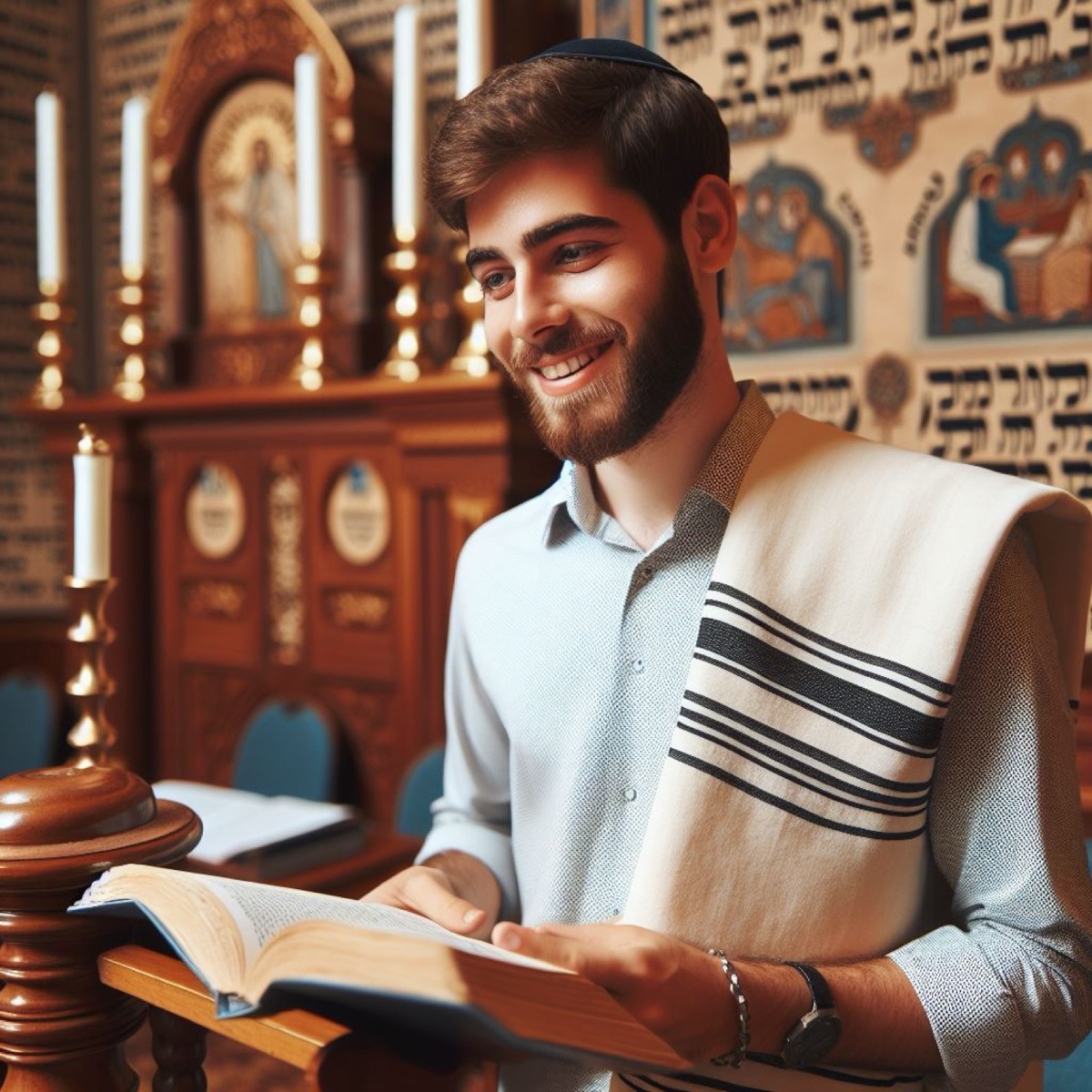
• They keep the Shabbat and the biblical festivals, such as Pesach, Shavuot and Sukkot.
• Many congregations pray three times a day in keeping with Jewish tradition (Shacharit, Minchah and Ma'ariv; cf. Tehillim / Ps 55:17, 55:18 in the Hebrew text; Daniel 6:10, 6:11 in the Hebrew text).
• They preserve Jewish culture and national identity.
• They welcome into their congregations non-Jews who seek to follow the teaching of Yeshua while respecting the Jewish way of life.
Messianic Judaism compared with Orthodox Rabbinic Judaism#
Time of origin#
Messianic Judaism goes back to the coming of Yeshua (Jesus) and His followers in the first century AD.
The first Messianic Jews were Yeshua's disciples — the apostles and other Jews who recognised Yeshua as the Messiah of Israel.
These early followers of Yeshua, among them the apostle Kefa (Peter), Shaul (Paul) and others, formed the first Messianic congregations in Jerusalem and other parts of the Roman Empire. They continued to keep Jewish customs and laws.
The main stages in the emergence of Messianic Judaism#
1st century CE: the coming of Yeshua and the formation of the first Messianic communities among the Jews. These communities kept their Jewish identity and observed the commandments of the Torah in the New Testament, believing in Yeshua as the Messiah.
2nd–4th centuries CE: a division gradually arose between Jews who did not recognise Yeshua as the Messiah and Messianic Jews (or "Nazarenes"), which left the Messianic Jews outside the main Jewish community.
19th–20th centuries: the revival of Messianic Judaism: from Joseph Rabinowitz's congregation "Israelites of the New Covenant" in Kishinev (1880s) to the modern Messianic Jewish movement, which took shape in the 1960s–70s and seeks to restore the Jewish identity of faith in Yeshua.
Rabbinic Judaism, the heir of the Pharisaic tradition, began to take shape after the destruction of the Second Temple in 70 CE.
Around 200 CE Rabbi Yehudah ha-Nasi committed the Oral Torah to writing as the Mishnah, and in the fourth to sixth centuries the Jerusalem and Babylonian Talmuds were compiled. These became the foundation of Rabbinic (and later Orthodox) Judaism. The word "Orthodox" itself appeared only in the nineteenth century.
Thus#
Messianic Judaism arose in the first century CE with the coming of Yeshua and His followers.
Rabbinic Judaism developed after the destruction of the Second Temple and took shape in the first centuries CE, which led to the form of Judaism we know today.
So, as the faith of a community, Messianic Judaism is older: its beginning goes back to the first followers of Yeshua, whereas Rabbinic Judaism in its present form took shape later, although it drew on the earlier Pharisaic tradition.
- Messianic Judaism is a unique movement that combines elements of traditional Judaism with the belief that Yeshua is the Messiah promised in the Tanakh. Messianic Jews recognise Yeshua as the Messiah and accept His atoning sacrifice.
Let us look at the main differences between Orthodox and Messianic Judaism.
1. Attitude to the Messiah#
Orthodox Judaism: Awaits the coming of the Messiah in the future.
This Messiah will be a human figure, a descendant of King David, who will establish peace on earth, rebuild the Temple in Jerusalem and bring all Jews back to Israel.
The Messiah is not regarded as a divine person.
Messianic Judaism: Believes that the Messiah has already come in the person of Yeshua.
Messianic Jews hold that Yeshua is the promised Messiah, that His first mission was connected with spiritual salvation through atonement for sins, and that His second coming is connected with the fulfilment of the prophecies about the restoration of the world and of the Temple.
2. Atonement and sacrifices#
Orthodox Judaism: atonement is attained through repentance, prayer, good deeds and keeping the commandments.
The Torah requires sacrifices to be offered in the Temple to cover sins (Vayikra / Lev 17:11). But after the destruction of the Temple it became impossible to offer them, and rabbinic teaching shifted the emphasis to repentance, prayer and charity. Therefore sacrifice is no longer central to atonement in modern Orthodox Judaism.
Messianic Judaism: holds that the sacrifice of Yeshua is the central event for the atonement of sins (Heb 9:12; 10:10).
Many Messianic Jews continue to practise Jewish traditions, including the festivals, kashrut and Shabbat, believing that keeping these commandments pleases God, but atonement comes only through the sacrifice of Yeshua.
3. The Oral Torah and the rabbinic tradition#
Orthodox Judaism: recognises the Oral Torah (the Talmud and rabbinic rulings) as divine revelation given to Moses on Mount Sinai together with the Written Torah.
The sages and rabbis play a central role in interpreting the laws of Judaism, and their rulings are regarded as binding.
Messianic Judaism: the question of the Oral Torah is not settled in Messianic Judaism.
Messianic Judaism may hold different views of the rabbinic tradition. For example, some Messianic Jews may reject the Oral Torah entirely, while others may regard it as an important historical source.
Some Messianic Jews may accept certain parts of the rabbinic tradition, especially those concerning practices such as the festivals, kashrut or Shabbat. Yet the foundation of faith and life for them remains the Holy Scriptures — the Tanakh and the New Testament — and the rabbinic tradition may be accepted only as an additional opinion, tested by Scripture and by the teaching of Yeshua (cf. Mark 7:8–13; Acts 17:11).
4. Keeping the commandments#
Orthodox Judaism: Jews are held to be obliged to keep the 613 commandments (mitzvot) given in the Torah (many of them, connected with the Temple, cannot be kept today).
This includes keeping kashrut, Shabbat, the festivals and many other laws. Keeping the commandments is an integral part of the relationship with God.
Messianic Judaism: Messianic Jews continue to keep many commandments of the Torah, such as kashrut, Shabbat and the Jewish festivals, but they believe that salvation comes through faith in Yeshua and not through keeping the law (Eph 2:8–10; Gal 2:16).
For them keeping the commandments is an expression of faith and of belonging to the Jewish people, but not a condition of salvation.
5. The role of Yeshua#
Orthodox Judaism:
Does not recognise Yeshua as the Messiah or His divinity.
In Orthodox Judaism Yeshua has no religious place, and many Jews believe that the prophecies about the Messiah have not yet been fulfilled.
Messianic Judaism:
the central figure is Yeshua, whom Messianic Jews recognise as the Messiah.
They see in His life, death and resurrection the fulfilment of the Messianic prophecies.
6. Attitude to the Law of Moses#
Orthodox Judaism:
Strictly follows the Law of Moses (the Torah) and rabbinic rulings, regarding this as the foundation of religious life.
Messianic Judaism:
although Messianic Jews continue to keep many aspects of the Mosaic law, they believe that Yeshua fulfilled the law and that through His sacrifice access to God has become possible for all people.
For them keeping the law means following Yeshua's example, but it is not the source of salvation.
7. Festivals and traditions#
Orthodox Judaism:
Festivals such as Pesach, Shavuot, Sukkot and others are strictly observed according to rabbinic rulings and the Oral Torah.
Messianic Judaism:
Messianic Jews also celebrate the Jewish festivals, but understand them in the light of faith in Yeshua.
For example, in Pesach they see the symbolism of Yeshua's redeeming sacrifice, which sets people free not only from physical slavery but also from sins (1 Cor 5:7).
Conclusion:#
The main difference between Orthodox and Messianic Judaism lies in recognising or not recognising Yeshua as the Messiah, and in the role played by rabbinic rulings.
Orthodox Jews regard the Oral Torah and the rulings of the sages as binding, whereas Messianic Jews hold faith in Yeshua as central while preserving many Jewish traditions.
Messianic Judaism combines faith in Yeshua with Jewish identity, which distinguishes it both from Orthodox Judaism and from Christianity.
The Temple#
Messianic Judaism has an important theological teaching about the "temple not made with hands", connected with Yeshua and the work of the Holy Spirit.
According to this teaching, what the physical Temple in Jerusalem pointed to — the Temple that played a central role in the religious life of ancient Israel — has been fulfilled in a spiritual reality, in the Person of Yeshua.
This is how it is understood in the context of faith:
1. The temple not made with hands#
The New Testament says that through Yeshua God established a "temple not made with hands" (Mark 14:58; Heb 9:11, 24), which is not limited to a physical building.
In this understanding Yeshua is the mediator between God and man, and through His sacrifice believers have direct access to God, with no need for a physical temple or sacrifices.
For example, in the Gospel of John Yeshua says: "Destroy this temple, and in three days I will raise it up" (Yochanan / John 2:19). The evangelist explains that He was speaking about the temple of His body (John 2:21), that is, about His death and resurrection. Through the resurrection of Yeshua a temple "not made with hands" was raised — a new spiritual union with God.
2. The Holy Spirit in the believer's body#
According to the faith of Messianic Judaism, God dwells in the hearts of believers through the Holy Spirit.
This teaching rests on the fact that believers' bodies become a "temple of the Holy Spirit" (1 Cor 6:19).
The emissary Sha'ul (Paul) writes in his letter to the Corinthians: "Do you not know that you are God's temple and that God's Spirit dwells in you?" (1 Cor 3:16). Thus each believer and the whole community are seen as a "living temple" in which God dwells through the Holy Spirit.
This is a radical shift of paradigm compared with the Old Testament system, in which the central place of worship was tied to the physical temple in Jerusalem.
3. The fulfilment of the Temple service#
Messianic Judaism holds that with the coming of Yeshua there is no longer any need for a physical temple for sacrifices, since Yeshua became the final and perfect sacrifice.
His death on the cross is seen as atonement for the sins of all humanity, replacing the temple sacrifices that were offered in Jerusalem.
The believers themselves and their gatherings are seen as a "spiritual temple". This principle is stressed in 1 Pet 2:5, which says that believers, like "living stones", are being built up into "a spiritual house".
4. The New Covenant and the promises#
Messianic Judaism sees in Yeshua the fulfilment of the prophecies of the new covenant spoken of in the Tanakh, for example in the book of Yirmeyahu / Jeremiah 31:31–34 (31:30–33 in the Hebrew numbering), where God promises to make a New Covenant with the house of Israel and to put His laws in their hearts.
Messianic Jews believe that through Yeshua this New Covenant has been brought about, and that God's presence now lives in believers through the Holy Spirit.
5. Differences from Orthodox Judaism#
Unlike the messianic teaching, Orthodox Judaism continues to await the physical rebuilding of the Third Temple in Jerusalem as part of the messianic age.
Many Messianic Jews also expect the restoration of the Temple in Jerusalem, but connect it with the second coming of Yeshua as King (cf. Yechezkel / Ezek 40–48).
Messianic Jews see this restoration not merely as a physical act, but as the fulfilment of biblical prophecies connected with the establishment of God's kingdom on earth.
The physical temple and its rebuilding remain an important part of the Jewish messianic hope, since the Temple is seen as the centre of the worship of God and the place where important commandments are fulfilled.
Orthodox Jews believe that the rebuilding of the Temple is linked with the coming of the Messiah, who will bring the Jewish people back to the Land of Israel and establish peace throughout the world. The physical temple is to be rebuilt on the Temple Mount in Jerusalem.
Conclusion:#
For Messianic Jews, Yeshua is the embodiment of the fulfilment of the prophecies about a new spiritual temple, in which God dwells in the hearts of believers through the Holy Spirit.
At the same time, like Orthodox Jews, they continue to await the rebuilding of the physical Temple in Jerusalem as an important part of the messianic age and the establishment of God's kingdom on earth.
In whom we believe#
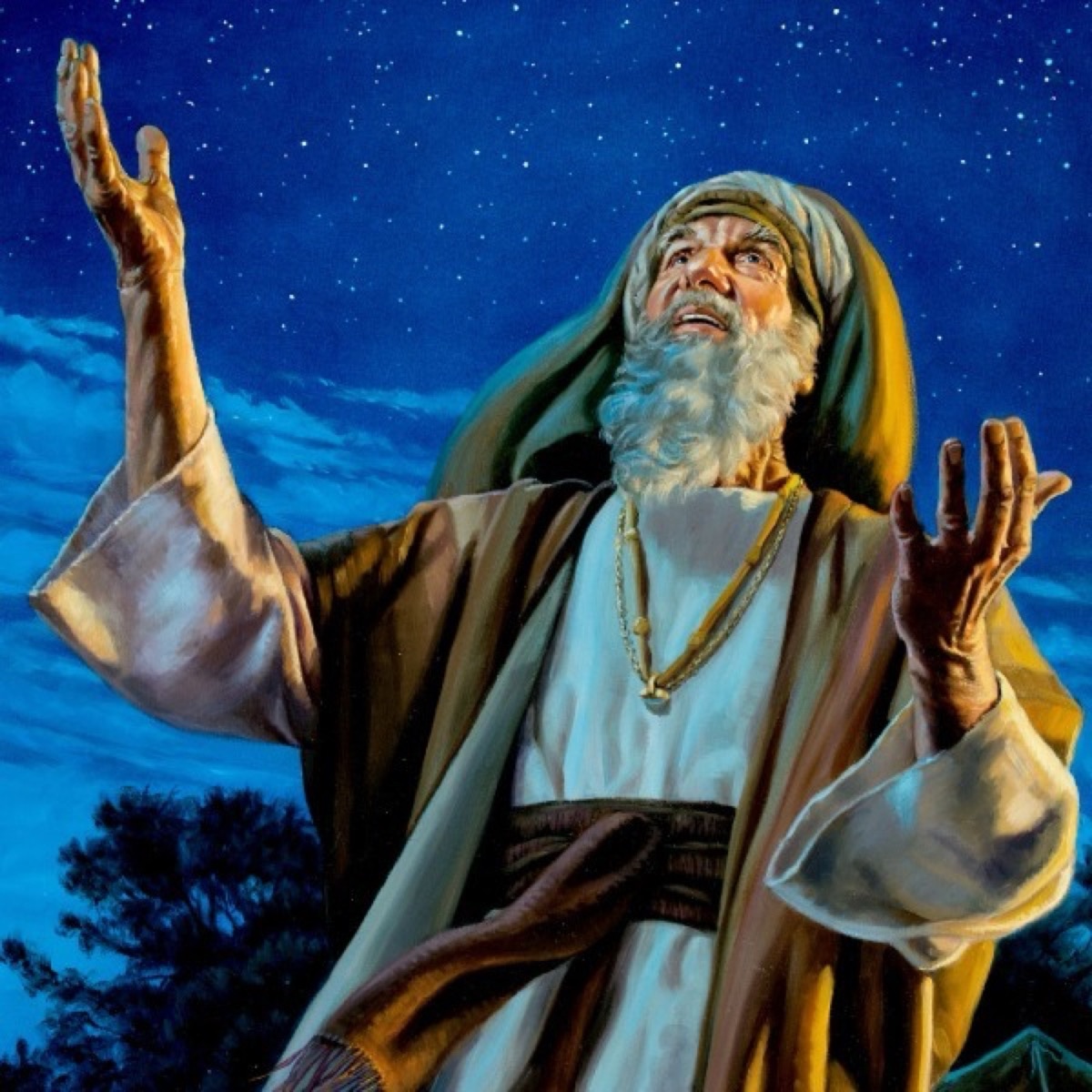
We believe in the God of Abraham, Isaac and Jacob;
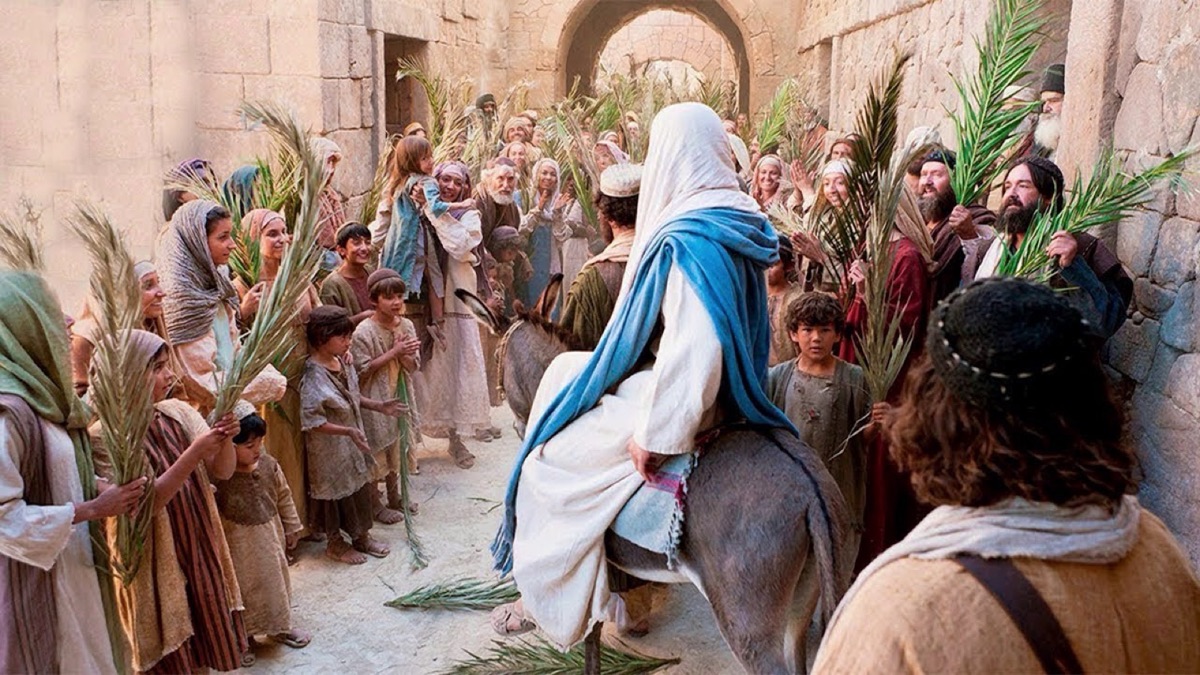
We believe that Yeshua ha-Mashiach (Jesus Christ) is the Messiah of Israel promised in the prophecies of the Tanakh (the Old Testament), and the personal Saviour and Redeemer of every Jew and non-Jew, and that there is no other way of salvation for anyone but Him (Acts 4:12).
The New Covenant with the house of Israel and the house of Judah#
We believe that Yeshua (Jesus) is the promised Messiah for Israel and the Saviour of the world.
Hundreds of years before Yeshua's birth, the Tanakh (the Holy Scriptures) foretold the coming of a New Covenant to be made with the people of Israel.
This new covenant, in Hebrew "Brit Hadashah", is mentioned in the prophecy of Jeremiah (31:31–34).
It says that God will make a new covenant with the House of Israel and the House of Judah, different from the one made through Moshe (Moses) on Mount Sinai.
This new covenant will be based on the forgiveness of sins and on a deeper spiritual relationship with God.
In chapter 31 the prophet Jeremiah speaks of a future new covenant that God will make with the House of Israel and the House of Judah. This covenant does not abolish the earlier covenant of Sinai but only deepens it.
It speaks of a time when the people of Israel will return to God with wholehearted devotion, and the commandments of the Torah will become an inner part of every person.
God promises to put His laws in people's hearts, which can be understood as a state in which keeping the Torah will be natural and will not require constant instruction.
Messianic Judaism has received this New Covenant through the sacrifice of Yeshua the Mashiach (Jesus Christ).
And this covenant has opened the way for both Jews and non-Jews, enabling them to become part of God's people through faith.
The prophet Jeremiah says that in the new covenant God will put His law in people's hearts and will remember their sins no more.
So the Brit Hadashah opens to all, Jews and non-Jews, the possibility of living in a renewed covenant with God, based on faith in Yeshua and the forgiveness of sins.
Holy Scripture#
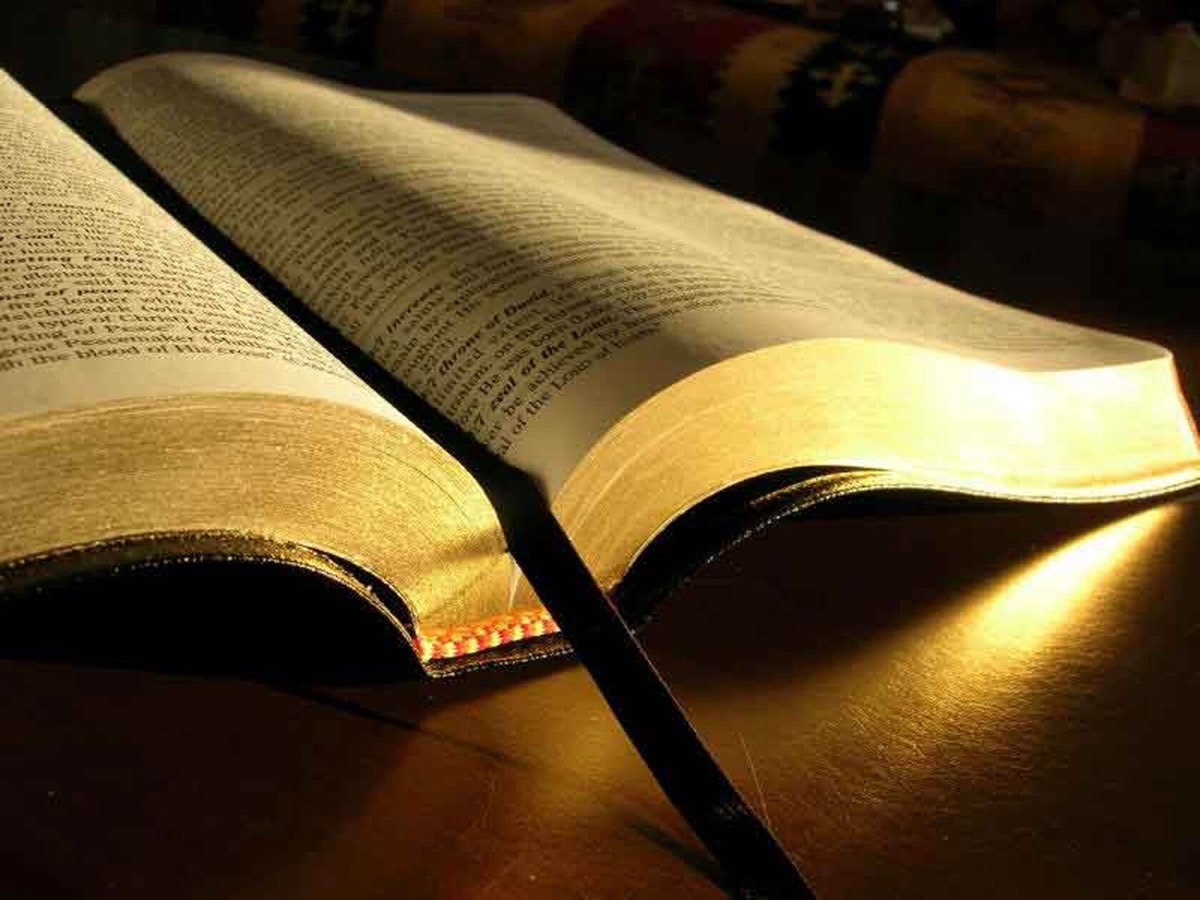
For us it is the whole Bible — the Tanakh and the New Testament. All Scripture is God-breathed (2 Tim 3:16)!
The inspiration of every word means that the Bible was produced entirely under the guidance of the Spirit of God; it is God-breathed (2 Pet 1:20–21). This applies both to what God spoke and to what its authors wrote down.
God is the source of inspiration, but He used particular people to write down His words literally. Every part of the Holy Scriptures was written under God's guidance — complete and perfect.
The Bible is the unquestionable authority not only in matters of faith and conduct but also on every subject it touches.
Everything the Bible calls true is the truth.
Yeshua came into this world#
- to save us from our sins (Matt 1:21; John 1:29);
- to redeem us from all lawlessness (Titus 2:14);
- to reconcile us to God (2 Cor 5:18–20; Eph 2:11–22);
- to forgive us and cleanse us (1 John 1:7; Rev 1:5b).
No "special" rabbi, exalted holy man, gifted teacher or charismatic leader was able to do this.
Only Yeshua ha-Mashiach could pay for our sins!
Did Yeshua bring a new teaching?#
In the New Testament we find an account of how Yeshua was tested by the Pharisees and Sadducees to see whether His teaching agreed with the Law, the Torah.
Mattityahu / Matt 22:36–40 (JNT): "'Rabbi, which of the mitzvot (commandments) in the Torah is the most important?' He answered him: 'Love Adonai with all your heart and with all your soul and with all your strength. This is the first and most important mitzvah (commandment). And the second is like it: ‘You shall love your neighbour as yourself.’ The whole Torah and the Prophets are founded on these two mitzvot.'"
In this passage Yeshua quotes the Torah — the "Shema" prayer (Devarim / Deut 6:5) and Vayikra / Lev 19:18. In the parallel passage (Mark 12:29–30) He begins directly with the first words of the Shema:
"Shema, Yisrael, Adonai Eloheinu, Adonai echad", which means: "Hear, O Israel: the LORD our God, the LORD is one!" (Devarim / Deut 6:4).
This is the cornerstone of the Jewish faith!
Yeshua quoted the Torah and thereby confirmed the commandments. Yeshua brought the promised new covenant to the house of Israel. He did not bring a new religion known as Christianity.
Without Messianic Judaism#
— a Judaism that accepts Yeshua (Jesus) as Messiah and Saviour —
neither the Jewish people nor the Church will be able to reach their true and great purpose.
This idea is not new.
In essence it is two thousand years old; but for centuries its social expression remained latent. In recent decades, however, a unique combination of social, historical, political, theological and spiritual factors has breathed new life into the Messianic Jewish movement, and it has begun to attract the attention of many people.
The Jewish Messianic congregation will become the main means of overcoming the most serious schism in history — the schism between Christians and Jews — helping both to fulfil their calling from God (cf. Eph 2:14–16).
Hebrews 9:27–28; 10:1–19#
Jewish New Testament (JNT) translation:
"Just as all people are destined to die once, and after that comes judgement, so also the Messiah, having been offered once and having borne the sins of many, will appear a second time, not in connection with sin, but to deliver those who are eagerly waiting for Him.
For the Torah has a shadow of the good things to come, not the very expression of their substance.
Therefore it can never, by the same endless sacrifices repeated year after year, bring to the goal those who approach the Sanctuary to offer them. Otherwise, would they not have stopped offering such sacrifices? For if the people performing the service had been cleansed once and for all, there would be no more sin on their conscience. But on the contrary, these sacrifices serve year after year as a reminder of sins. For it is impossible for the blood of bulls and goats to take away sins.
Therefore, on coming into the world, He says: "Sacrifices and offerings You did not desire, but You prepared a body for Me; burnt offerings and sin offerings did not please You. Then I said: Behold, in the scroll of the book it is written of Me — I have come to do Your will." (Tehillim / Ps 40:6–8, 40:7–9 in the Hebrew text).
Having first said, "You did not desire sacrifices, offerings, burnt offerings and sin offerings; they did not please You" — that is, everything offered according to the Torah — and then, "Behold, I have come to do Your will", He removes the first system in order to establish the second. It is in connection with this will that we have been set apart for God and made holy, once and for ever, through the offering of the body of the Messiah Yeshua. Every kohen stands daily in his service, offering again and again the same sacrifices, which can never take away sins. But this One, having offered for all time a single sacrifice for sins, sat down at the right hand of God, from then on to wait until His enemies are made a footstool for His feet. For by a single offering He has brought to the goal for ever those who are set apart and made holy for God. And the Ruach ha-Kodesh (the Holy Spirit) also bears witness to us about this; for after saying:
'This is the covenant I will make with them after those days, says Adonai: I will put My Torah in their hearts and write it on their minds', He then adds: 'And their sins and lawless deeds I will remember no more.' (Yirmeyahu / Jer 31:33–34).
Where there is forgiveness of these, there is no longer any need for an offering for sins.
Therefore, brothers, we may confidently use the way into the Holy of Holies that has been opened for us by the blood of Yeshua".
Forgiveness of sins comes only through the shedding of blood#
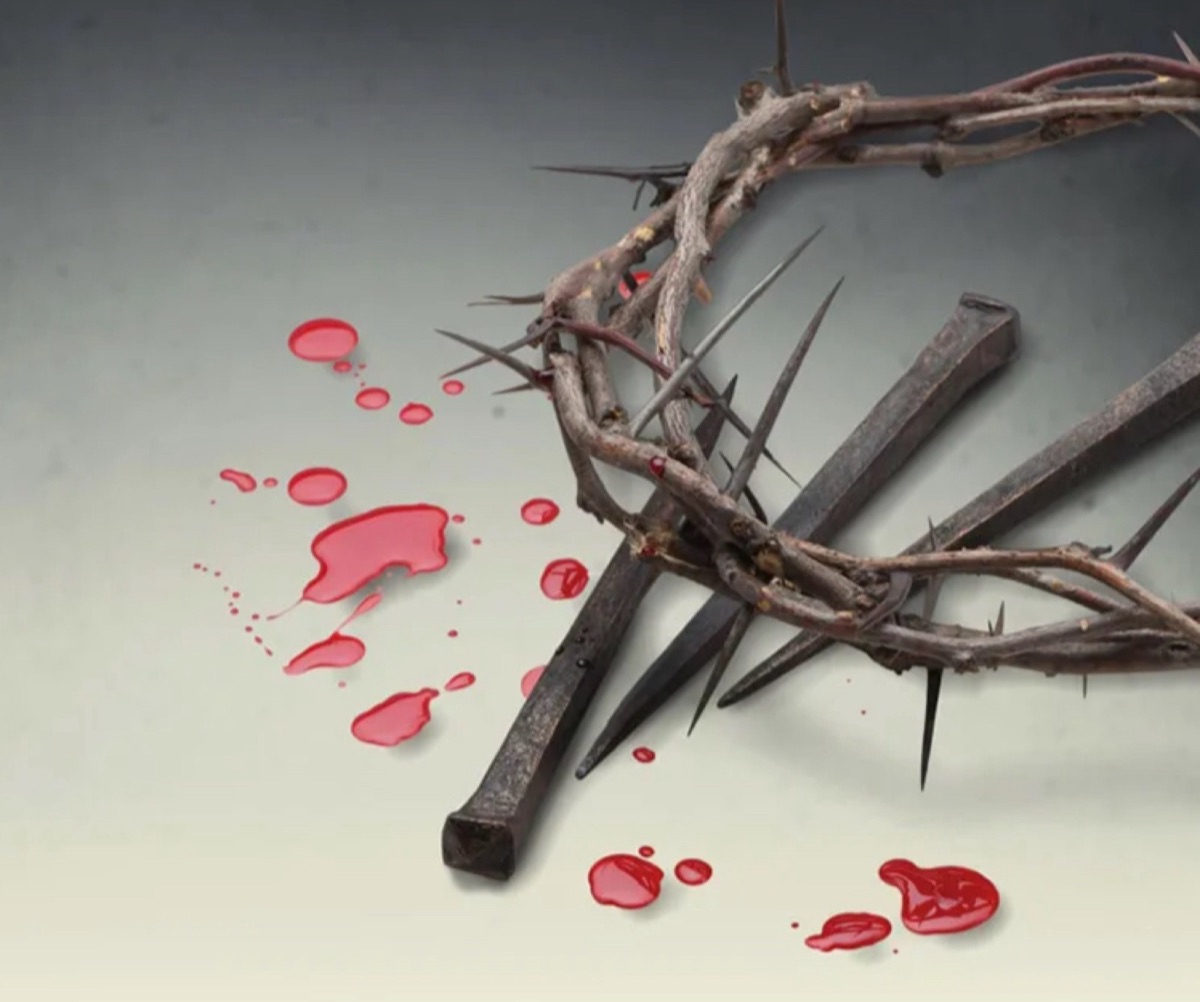
Heb 9:22 (JNT): "…according to the Torah, almost everything is cleansed with blood, and without the shedding of blood there is no forgiveness of sins".
- But a yearly sacrifice could not secure such eternal forgiveness.
Heb 9:23 (JNT): "In the same way the copies of the heavenly things had to be cleansed, but the heavenly things themselves require better sacrifices than these."
- And only the blood of a sacrifice offered "once and for all" could do this.
Heb 9:24–26 (JNT): "The Messiah did not enter a Sanctuary made with hands, a copy of the true one, but into heaven itself, to appear on our behalf before the face of God. Nor did He enter in order to offer Himself [as a sacrifice] again and again, like the kohen gadol who enters the Holy of Holies year after year with blood not his own; for then He would have had to suffer death many times since the creation of the universe. But He has appeared once, at the end of the ages, to put an end to sin by sacrificing Himself."

Confederation of Messianic Jewish Associations#
In Ukraine, since 1995, we have been forming Jewish congregations dedicated to preserving culture and faith. These congregations have become important for Jews who wish to remain faithful to their tradition while avoiding conflicts with other religions.
The congregations are oriented towards Jews but are open to everyone who shares our culture and worldview.